The historical evolution of gambling A journey through time…
The historical evolution of gambling A journey through time with chicken road
The Origins of Gambling
The origins of gambling can be traced back thousands of years to ancient civilizations, where games of chance were an integral part of social life. Archaeological findings in China suggest that rudimentary forms of gambling, such as betting on the outcomes of games, were practiced as early as 2000 BCE. Similarly, ancient Romans and Greeks engaged in various gambling activities, laying the groundwork for future developments in the gaming industry. Today, enthusiasts might find a captivating experience along the chicken road, where history and modernity collide.

As cultures evolved, so did the methods and forms of gambling. Dice, one of the oldest gaming tools, emerged in multiple ancient societies, while betting on sports and events gained popularity. These early forms of gambling provided entertainment and an outlet for risk-taking, becoming a fundamental aspect of human experience.
The Role of Gambling in Medieval Society
During the medieval period, gambling took on new dimensions as it became associated with nobility and the upper classes. Tournaments and games of skill, such as chess and dice, were common pastimes among royalty. Gambling was often viewed as a measure of one’s bravery and wit, which contributed to its allure in courtly life.
However, this period also saw the rise of regulations. Monarchs began to impose laws to control gambling, recognizing its potential to lead to social unrest. This duality—celebrating gambling while simultaneously fearing its consequences—set the stage for its complex evolution in later centuries.
The Emergence of Modern Gambling
The 17th century marked a significant shift in the gambling landscape with the establishment of the first modern casinos. Places like the Casino di Venezia in Italy became popular entertainment venues. The rise of lotteries and organized betting pools further legitimized gambling, transforming it into a mainstream activity.
In the 19th century, the Industrial Revolution brought about dramatic changes in society and leisure activities, including gambling. The introduction of new games, such as poker and roulette, captivated the public. This era also saw the establishment of racing tracks and the formalization of betting practices, paving the way for modern gambling as we know it today.
The Impact of Technology on Gambling
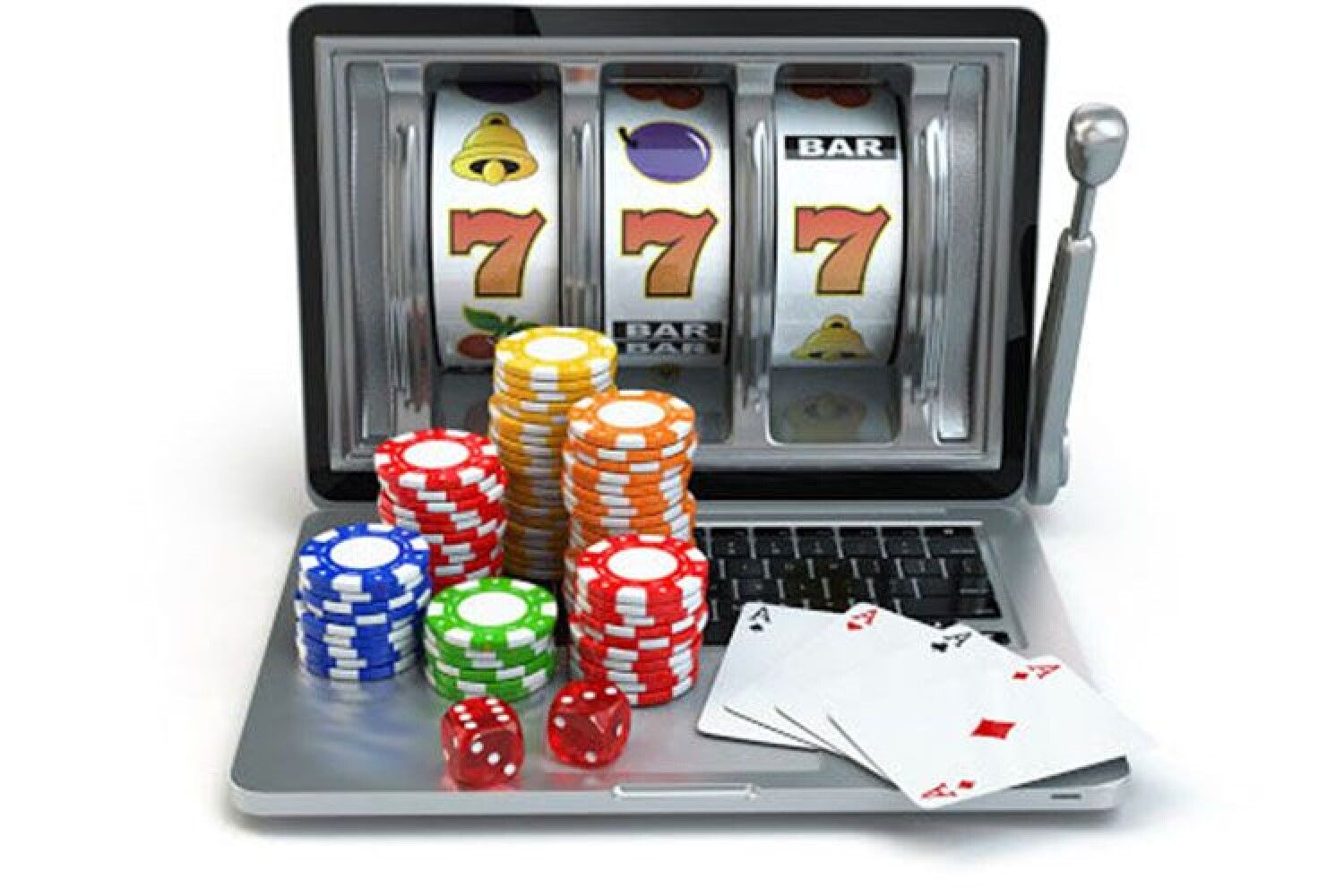
The advent of technology has significantly transformed the gambling landscape over the past few decades. The rise of the internet ushered in a new era of online casinos and sports betting, making gambling accessible to a global audience. Players can now engage in their favorite games from the comfort of their homes, leading to an explosion in online gaming platforms.
Moreover, mobile technology has further revolutionized gambling by enabling users to place bets and play games on the go. This shift has not only expanded the reach of gambling but has also introduced innovative features like live dealer games, creating immersive experiences that mirror those found in physical casinos.
Exploring the Future of Gambling
As the landscape of gambling continues to evolve, it remains to be seen how emerging trends will shape the future. The integration of virtual reality and artificial intelligence presents exciting possibilities for enhancing user experience. These technologies could bring about a new level of engagement, allowing players to interact in ways that were once unimaginable.
Furthermore, responsible gambling initiatives are gaining momentum, highlighting the importance of safety and well-being within the industry. As we journey through time with the evolution of gambling, understanding these trends will be crucial for players and operators alike to navigate the complexities of modern gaming.